THE ARCHIVE · SPANISH · UNIVERSE
The Aztec World
The conquest of Mexico is documented from more sides than almost any event in history. The civilization wrote itself down — its gods, its markets, its omens — and then the people who ended it wrote themselves down too. Soldiers, priests, translators, poets. Every story below is built from one of those documents, and every document is here, free, readable, with every word one tap from a definition.
The voices
Every major perspective on the world and the Conquest. Tap a source to read it.
AZTEC CIVILIZATION DOCUMENTING ITSELF
Florentine Codex
Sahagún & the Nahua scholars · 1570s
Twelve books — religion, the calendar, the merchants, the speeches, and the Conquest from the Mexica side.
Read in the Archive →
THE TLATELOLCA VOICE
Anales de Tlatelolco
Anonymous Tlatelolca authors · shortly after 1521
The founding, the 1473 civil war with its five named traitors, and the fall of the city from inside — including the famine.
Read in the Archive →
THE SPANISH SOLDIER ON THE GROUND
Historia Verdadera
Bernal Díaz del Castillo · ca. 1568
The eyewitness memoir of an ordinary soldier — skeptical of official accounts, full of human texture.
Read in the Archive →
THE SPANISH COMMANDER
Segunda Carta de Relación
Hernán Cortés · 1520
Written in real time to the Emperor — strategic, political, choosing every word to justify himself.
Coming to the Archive
THE COMMANDER, AFTER THE FALL
Tercera Carta de Relación
Hernán Cortés · 1522
The aftermath of the Noche Triste, the siege, and the fall — from his own hand.
Coming to the Archive
THE TEXCOCAN NOBLE VOICE
Historia de la Nación Chichimeca
Fernando de Alva Ixtlilxóchitl · early 1600s
Nezahualcóyotl's own descendant, writing from codices and oral tradition before they vanished.
Coming to the Archive
THE TLAXCALAN VOICE
Historia de Tlaxcala
Diego Muñoz Camargo · ca. 1585
The allies without whom the Conquest fails — and Xicoténcatl the Younger, who fought both empires on principle.
Coming to the Archive
The literature of the age
What the people in this world read, sang, and wrote. The fiction of the time is a primary source — it documents the imagination of the era the way the chronicles document its events. Both sides brought their literature to this encounter.
THE LITERARY SOUL OF THE AZTEC WORLD
Cantares Mexicanos
Nahua poets · 16th c. compilation
'Is anything true but flower and song?' — the warrior songs and laments the chronicles cannot reach.
Coming to the Archive
THE FANTASY THE CONQUISTADORS CARRIED
Amadís de Gaula
Garci Rodríguez de Montalvo · 1508Also in: Spanish Golden Age
The chivalric romance Bernal Díaz reached for at his first sight of Tenochtitlan. The conquerors' imagination, documented.
Coming to the Archive
The stories
Graded readers built from the sources above — every incident written down. Tap a story to see which document it came from.
The Mexica voice
From inside the world that ended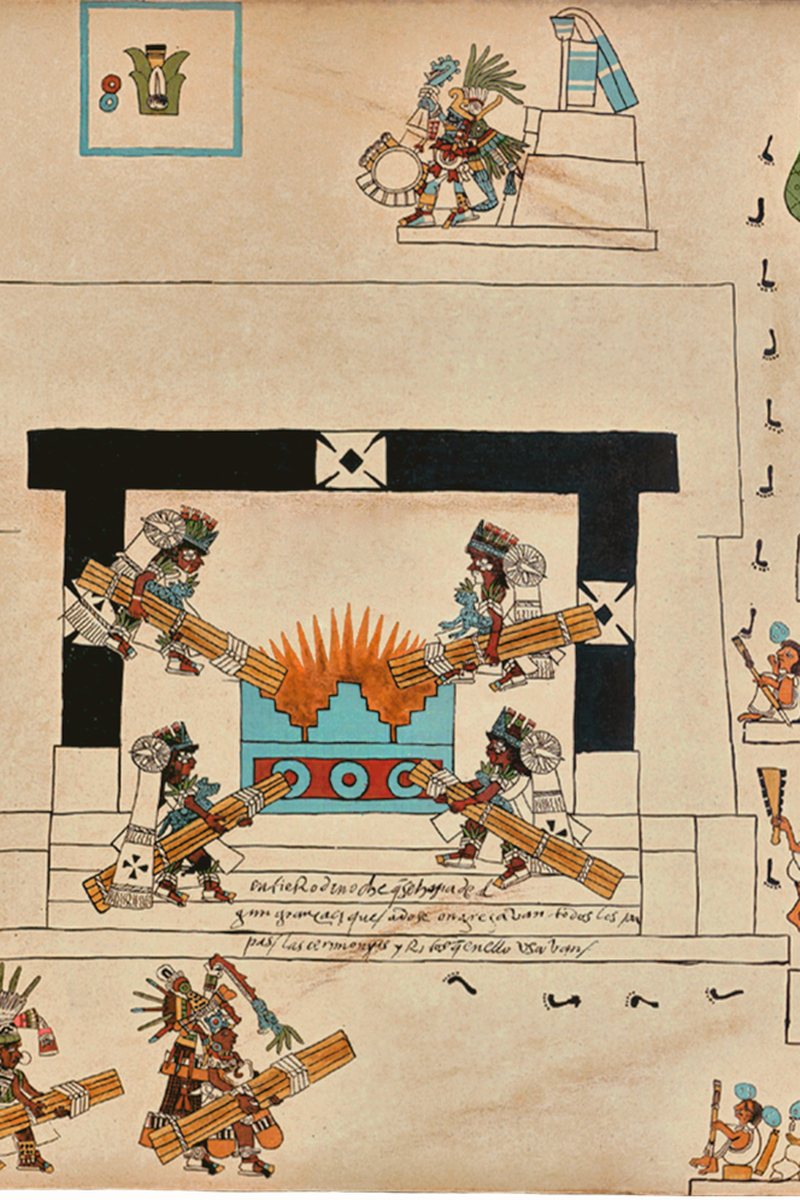
El fuego nuevo
VISITOR · A1
Every fire in the world goes out. The whole city waits in the dark.
The actual words a midwife spoke to every newborn — recorded verbatim.
For one year he walks the city as a living god. He knows how it ends.
Merchants by daylight. Spies by profession. The empire never admits they exist.
The Anales names all five men. And the neighborhood each one came from.
A real poet, asking the civilization's deepest question, on the eve of a fall he cannot see.
The Spanish voice
Soldiers and commanders, on the record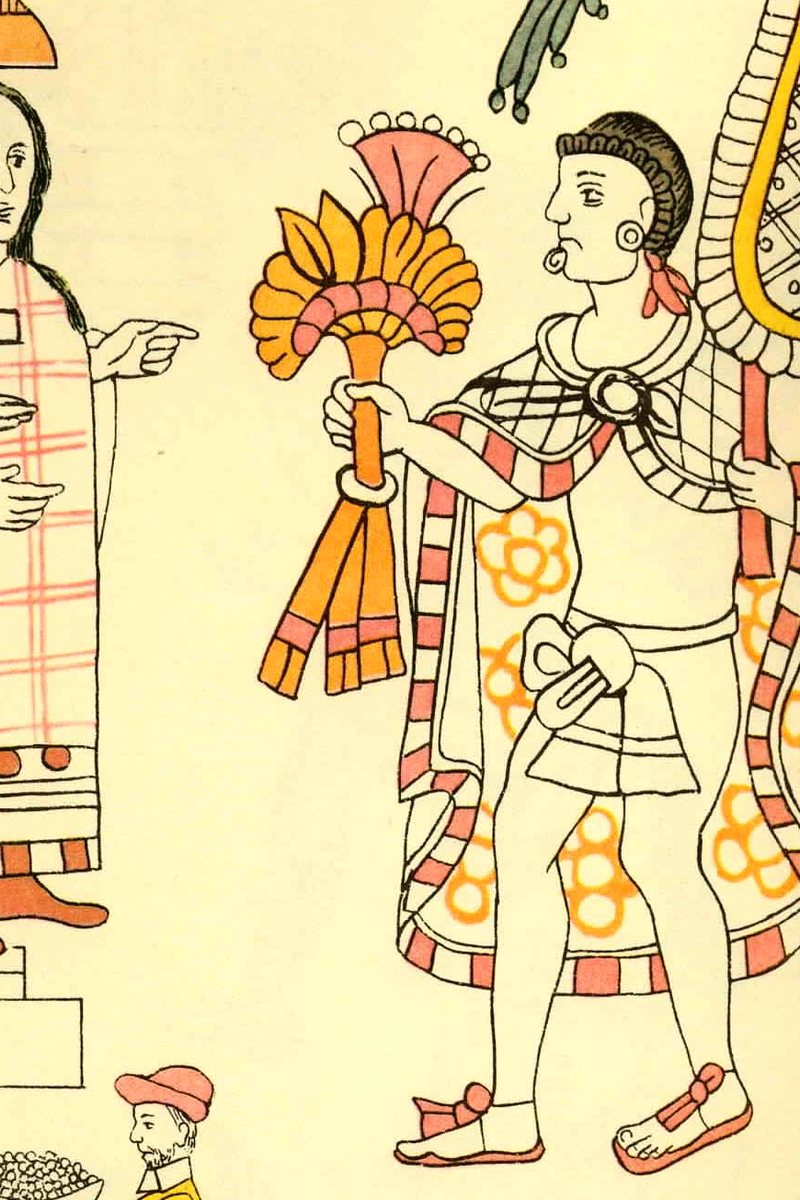
The voices between
Translators and allies — the morally richest ground1325 → 1521
1325
The Mexica found Tenochtitlan — eagle, cactus, island.
1473
Civil war: Tenochtitlan crushes Tlatelolco. Five traitors are named.
1509–19
The eight omens are observed and recorded by the priests.
Feb 1519
Cortés lands. A runner carries the first report inland.
Nov 8, 1519
The entry: two columns meet on the Iztapalapa causeway.
Jun 30, 1520
La Noche Triste — the Spanish flee; soldiers drown under gold.
Aug 13, 1521
After a 75-day siege, Tenochtitlan falls. Cuauhtémoc: 'Do with me what you will.'